Avoiding Cauliflower Ear in Brazilian Jiu-Jitsu
Cauliflower ear, a permanent deformity of the outer ear, arises when repeated impact or friction causes blood to collect between cartilage and skin. Left untreated, the clot hardens and prevents normal blood flow, leading to the lumpy, swollen appearance familiar in many grapplers.
In Brazilian Jiu-Jitsu, where head control and positional transitions place the ears at risk, understanding the mechanics of injury is the first step toward prevention.
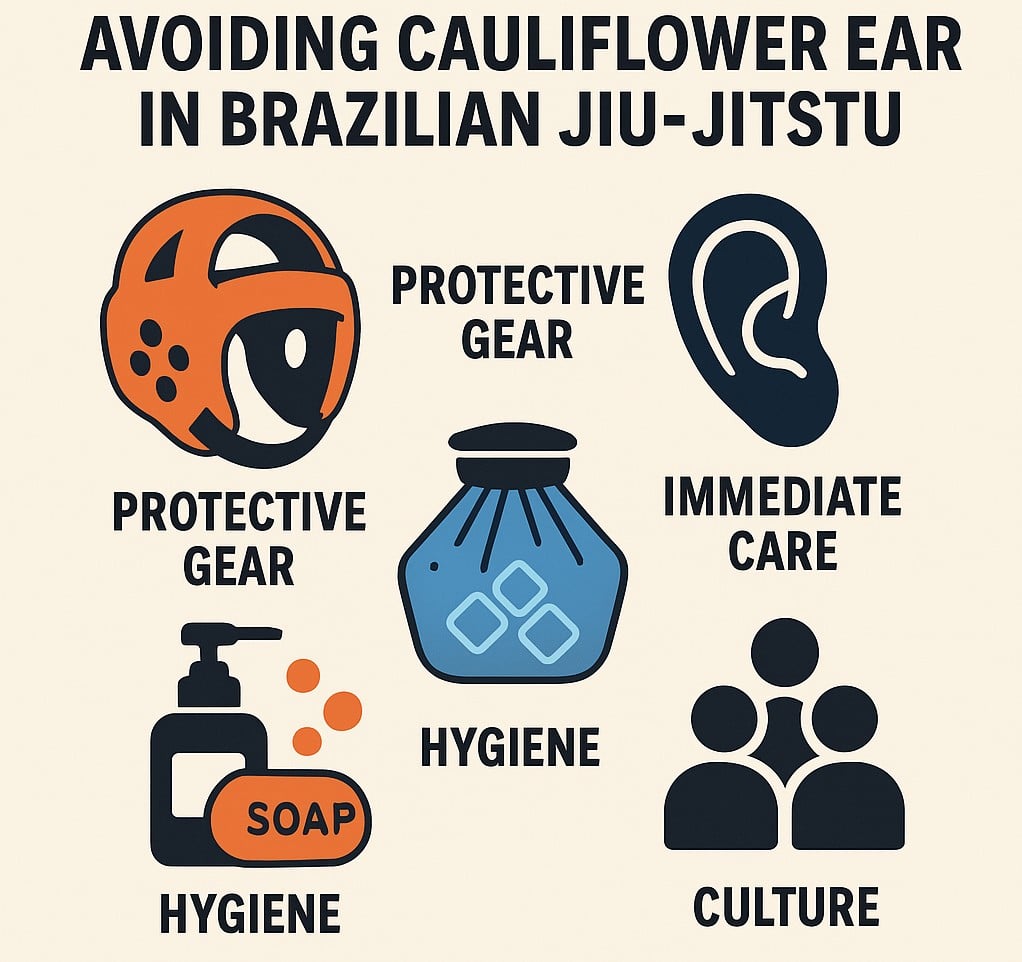
Protective Gear
Wearing headgear designed for grappling offers the most direct defense. Modern ear guards combine lightweight materials and secure straps to shield the ear without impeding vision or movement. Commit to wearing them not only during competition but also throughout training sessions.
Ensure a snug fit: loose straps can shift, exposing vulnerable areas. Consider models with adjustable panels or custom-fit options to maintain comfort over long rolls.
Technique and Awareness
Proper technique reduces unnecessary pressure on the ears. When passing guard or establishing side control, aim to keep the ear off the mat and away from knee or elbow contact. Minor adjustments, such as turning the head slightly or maintaining a lower posture, can divert force away from the cartilage.
Communication with training partners is equally important. If a partner applies pressure to the ear inadvertently, speak up immediately. A brief pause to adjust your head position can help prevent cumulative trauma.
Immediate Care After Trauma
Should you notice swelling or tenderness after a session, apply a cold compress as soon as possible. Ice packs help limit bleeding under the skin and reduce inflammation.
If a noticeable lump appears within 24 to 48 hours, seek medical attention. A qualified practitioner can perform a simple drainage procedure to remove the fluid and apply a compression dressing. Prompt treatment prevents permanent deformity and preserves ear shape.
Training Hygiene and Maintenance
Cleanliness plays a supporting role in prevention. Bacterial infections can complicate the drainage and healing process. After training, wash the headgear and ears with a gentle, antibacterial soap. Allow the gear to air dry thoroughly before subsequent use to inhibit microbial growth.
Inspect your ears regularly. Early detection of minor bumps allows for swift action and may eliminate the need for medical intervention.
Long-Term Management
Even with precautions, occasional bumps may occur. If you’ve undergone drainage, continue wearing protective headgear until the ear fully heals, typically a few weeks. Follow any aftercare instructions from your healthcare provider, including changing dressings and monitoring for signs of infection.
For those with longstanding cauliflower ear, consider using silicone inserts or specialized compressive molds. These devices can improve comfort under headgear and may help smooth irregular contours over time.
Building a Culture of Safety
Prevention is most effective when embraced by the entire academy. Encourage instructors to highlight ear care during warm-ups and technique drills. Organize periodic workshops on first-aid practices, including how to recognize and respond to early signs of ear hematomas.
By fostering open communication and supporting one another in prevention efforts, practitioners can train longer and healthier, without sacrificing the integrity of their ears.
Conclusion
Cauliflower ear is both preventable and manageable with the right combination of protective gear, mindful technique, and prompt medical care. By prioritizing ear health from the outset, BJJ enthusiasts can maintain uninterrupted training schedules and preserve the natural shape of their ears, allowing them to focus on improving their skills rather than repairing injuries.