Hip Bump Sweep in BJJ: Setup, Timing, and Common Counters
The hip bump sweep is one of the first sweeps many BJJ students learn, and for good reason. It is simple, high percentage, and teaches an important lesson early: you do not always need to force a complicated angle to reverse someone from closed guard. If you can break posture, sit up at the right moment, and drive your hips through the line of their base, you can put even a bigger training partner on the mat.
In this guide, you will learn how the hip bump sweep works, when to use it, the details that make it more reliable, and the most common counters to expect. If you are still building your overall foundation, start with a structured beginner BJJ roadmap so your sweeps, escapes, and positional awareness all improve together.
What Is the Hip Bump Sweep?
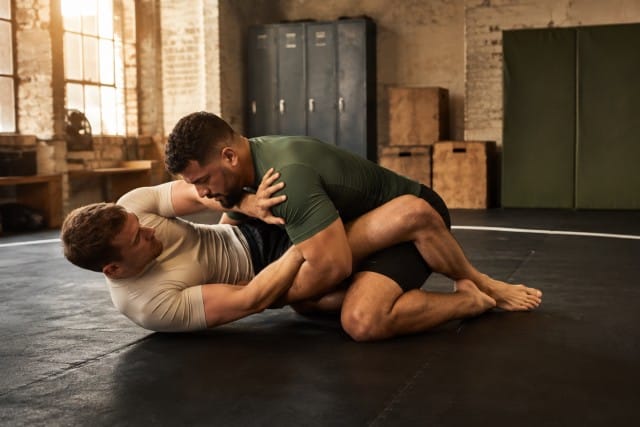
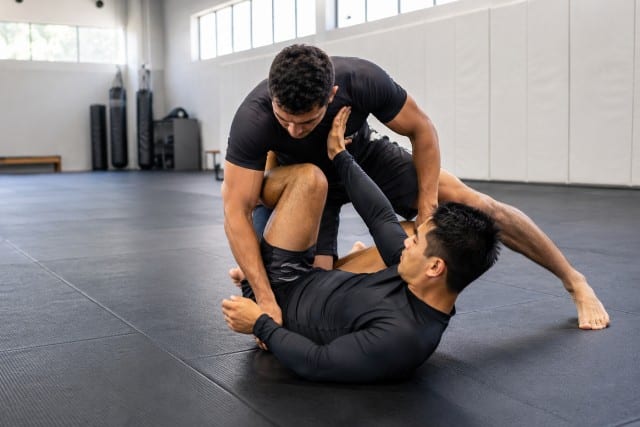
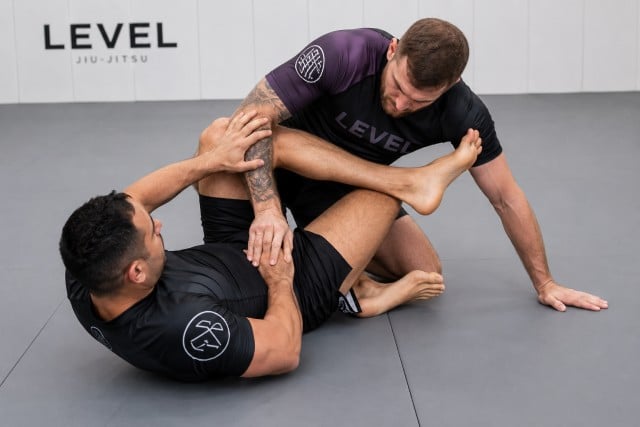
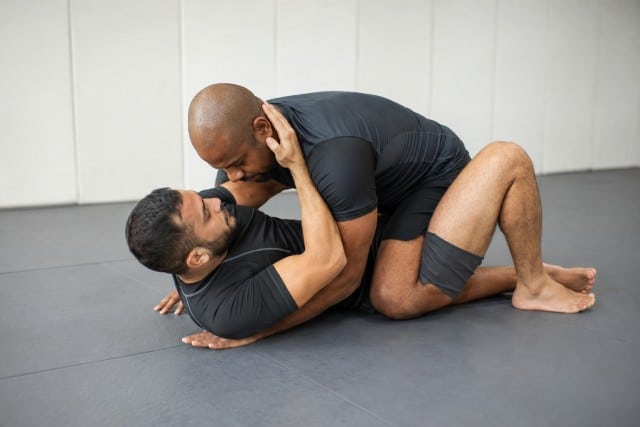
The hip bump sweep is a closed guard sweep where you sit up, post one hand behind you, drive your hips forward, and knock your opponent over the side of their trapped arm. It usually works best when your opponent is kneeling in your guard with their weight slightly forward or their posting hand slow to react.
It is not just a “move.” It is a timing-based attack built on three ideas:
- You must break or disrupt posture first.
- You must sit up close enough that your chest and shoulder can affect their balance.
- You must drive at an angle that removes their ability to post comfortably.
For beginners, this sweep is valuable because it connects well with other core attacks from closed guard, especially kimuras and guillotines.
Why the Hip Bump Sweep Works So Well for Beginners
The hip bump sweep gives new students a realistic way to attack without needing extreme flexibility or advanced grip sequences. It also punishes a very common beginner habit from top position: staying on the knees with lazy posture and hands too far forward.
It is useful because it teaches you to:
- climb from a flat guard into an active seated guard
- break posture before attacking
- use your hips instead of just pulling with your arms
- chain one attack into the next when the first reaction appears
If you like building your game around a few dependable fundamentals instead of memorizing dozens of techniques, studying a few beginner-friendly BJJ instructionals can help you see how this sweep fits into a larger closed guard system.
Step-by-Step: How to Do the Hip Bump Sweep
1. Start in closed guard with their posture compromised
The hip bump sweep is much harder if your opponent has a tall spine, elbows tight, and good balance. Before you sit up, make them carry your weight. Pull with your legs, bring your knees in, and keep their posture from becoming relaxed and upright.
2. Sit up quickly, not slowly
Open your upper body and come up with intent. Think about bringing your chest toward them rather than simply crunching forward. A slow sit-up gives them time to recover posture or back away.
As you sit up, keep one arm controlling or monitoring their far side while your other hand posts behind you on the mat. That post is what lets you drive your hips into them instead of falling sideways.
3. Trap the line of the arm you want to sweep over
You are trying to knock them over the side where they cannot post effectively. Usually that means their arm on that side is either wrapped, crowded, or late. Your upper body should stay close enough that they cannot casually plant the hand and stop the sweep.
4. Drive your hips forward and angle into them
This is the detail many beginners miss. Do not try to pull them over with your arms. Post, sit tall, and bump your hips into them. Your hips create the force. Your upper body directs it.
Think about lifting your hips toward their shoulder line while turning slightly. You are not falling over. You are running them into empty space.
5. Come up on top and settle the position
Once they tip, follow immediately. Do not celebrate the reversal and leave space. Come up into mount or top half guard depending on how the scramble lands, then stabilize before chasing the next attack.
Key Details That Make the Sweep Higher Percentage
- Get close before you bump. If there is too much space between your chest and their torso, they can post or back out.
- Use posture breaks first. The sweep works much better when they are already dealing with your legs and upper-body pressure.
- Post your hand at a useful angle. If your posting hand is too close to your hips, you will feel weak and cramped.
- Drive diagonally, not straight forward. A slight angle helps remove their base.
- Stay committed through the finish. A hesitant bump often creates a scramble instead of a clean sweep.
Common Mistakes
Sitting up from too far away
If you try to launch into the sweep while your opponent is already leaning back, you will end up chasing them. Sit up when you can actually connect your upper body to theirs.
Trying to muscle the sweep with the arms
The hip bump sweep is not a rowing motion. If your arms are doing most of the work, the top player will usually post and stay balanced.
Leaving the post hand in the wrong place
Your posting hand should help you rise and drive. If it is stuck too close behind your back, you lose power.
Ignoring the follow-up attacks
Good training partners will not always fall cleanly. If they defend, you should already be thinking about what opens next.
What to Do If They Defend
The most common defense is the top player posting a hand wide or driving back to square posture. That does not mean your attack failed. It usually means you forced a reaction that opens another attack.
Common follow-ups include:
- Kimura when they post their hand and leave the elbow exposed
- Guillotine if they drive forward carelessly with the head low
- A re-closed attacking guard if they pull back hard and expose posture again
This is one reason the hip bump sweep stays useful long after white belt. Even when it does not score directly, it creates predictable reactions you can build around.
Common Counters You Should Expect
The wide post
If they post their hand far out, your original sweep angle may be gone. Do not keep forcing it after the base has recovered. Transition to the kimura or reset to closed guard.
The backward lean
Some opponents pull their hips away and sit back as you come up. This usually means your setup came too late or without enough posture control.
The head pressure counter
A more experienced top player may drive their head into you as you sit up, trying to flatten you back down. Beat this by sitting up decisively and staying connected instead of pausing halfway.
Best Time to Use the Hip Bump Sweep
The best moment is often right after your opponent relaxes inside your closed guard. They think they are safe, their hands drift forward, and their posture becomes casual. That is your cue.
It also works well after you have already made them worry about cross-collar grips, overhooks, or climbing your guard high. Once they are mentally occupied, your sit-up attack becomes harder to read.
How to Drill It So It Actually Shows Up in Rolling
Do not just rep the motion with a compliant partner who falls over every time. Start with clean technical reps, but quickly add realistic reactions:
- Partner gives light resistance but keeps normal kneeling posture.
- Partner sometimes posts and makes you switch to a kimura.
- Partner sometimes pulls back and makes you recover closed guard.
- Start specific sparring rounds from closed guard with the top player trying to keep posture.
If you want extra study material between classes, a mix of free BJJ instructionals for beginners and structured home study can help you review timing and posture-breaking details without overcomplicating the position.
You can also pair that study with simple movement work from at-home BJJ training options if you want more reps on sitting up, posting, and hip movement outside the gym.
Final Thoughts
The hip bump sweep is worth learning early because it teaches real BJJ habits: break posture, sit up with purpose, use your hips, and connect your attacks. It is simple enough for beginners to hit in live rounds, but still useful later because of how naturally it chains into other closed guard threats.
If your version feels inconsistent, the answer is usually not “more strength.” It is better timing, closer connection, and a cleaner hip drive. Fix those details, and the hip bump sweep becomes a reliable part of your closed guard game.