Affiliate Disclaimer: This review contains affiliate links. If you purchase through them, I may earn a commission at no extra cost. Thank you for supporting the site!
Gordon Ryan Camping Passing System: Principles, Drills, and How to Add It to Your Game
Gordon Ryan’s camping passing system is one of the clearest examples of modern no-gi guard passing: patient, positionally dominant, and built around forcing the bottom player into bad reactions before committing to the final pass.
The idea is simple, but not easy. Instead of sprinting around the guard or diving into a pass too early, you “camp” in strong passing positions. You win inside position, control the hips, limit the guard player’s legs, and wait until their defensive structure starts to break. Then you pass.
This article breaks down the principles behind Gordon Ryan-style camping passing, how to improve your own version of it, the best ways to drill it, and how to add it to your game without turning every round into a slow stalemate.
If you want to study Gordon’s material directly, you can also explore Gordon Ryan videos on BJJ Fanatics. Add your preferred product or affiliate URL to that link before publishing.
What Is Camping Passing in BJJ?
Camping passing is a guard passing strategy where the top player settles into a dominant intermediate position before finishing the pass. Instead of treating guard passing as one explosive movement, you treat it as a series of control points.
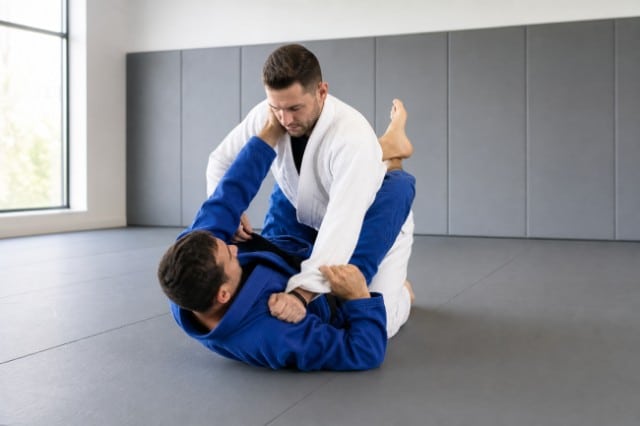
Common camping positions include headquarters, body lock passing, chest-to-chest half guard, split squat passing positions, knee cut control, leg drag control, and loose passing positions where the top player has already beaten one or both legs but has not fully settled into side control or mount.
The key is that camping is not stalling. Stalling means you are avoiding progress. Camping means you are making small positional improvements while the bottom player carries the burden of escape.
That distinction matters. A good camping passer is constantly improving head position, hand position, hip connection, knee position, and angle. They may look slow, but they are not passive.
Why Gordon Ryan’s Passing Looks So Hard to Stop
Gordon Ryan’s passing is difficult to deal with because he rarely gives the bottom player clean, explosive opportunities. He does not simply rush into frames. He does not overcommit his weight without controlling the hips. He does not chase the pass while leaving his legs exposed to entanglements.
Instead, he tends to build layered control. He wins a stable position, removes the opponent’s preferred guard retention tools, forces a reaction, and then advances when the reaction creates a clear opening.
This fits the broader pattern of Gordon’s instructional style. He teaches systems, not isolated moves. If you are comparing where this fits in his library, the Gordon Ryan instructionals ranking is a useful place to start.
The Core Principles of Gordon Ryan-Style Camping Passing
1. Win the Inside Space First
Most good guard players need inside position to retain guard, off-balance you, or enter leg attacks. Camping passing starts by denying that space.
In practice, this means your knees, elbows, hands, and head are constantly fighting for the inside lanes. You want your knees inside their knees, your elbows tight, and your head positioned where it blocks their ability to sit up, invert, or create a strong angle.
If the bottom player wins inside space first, your passing becomes reactive. If you win it first, their retention becomes reactive.
2. Control the Hips Before You Chase the Shoulders
A common mistake in guard passing is reaching for the upper body too early. Side control feels close, so the passer dives for the head, crossface, or underhook before actually controlling the hips.
Good camping passing reverses that priority. The hips are the engine of guard retention. If the bottom player can freely turn, shrimp, invert, or bring their knees back inside, your upper-body control will not last.
This is why body lock passing, headquarters, and chest-to-chest half guard are so central to modern no-gi passing. They all make hip movement harder before the pass is fully complete.
3. Make the Bottom Player Carry Your Weight
Camping passing should feel heavy, but not sloppy. The goal is not to collapse forward and hope pressure solves the problem. The goal is to place your weight where it limits the bottom player’s strongest movements.
Good pressure often comes through the chest, shoulder, head, hips, and knees. Bad pressure comes from leaning too far forward, posting your hands on the mat, or allowing the bottom player to load you onto their legs.
When done well, camping passing forces the guard player to work harder than the passer. They must frame, pummel, recover knees, turn their hips, and defend the next pass while carrying pressure.
4. Force Predictable Reactions
Gordon-style passing is powerful because it creates predictable defensive choices. If the bottom player turns away, you attack the back or consolidate control. If they turn in, you flatten them, crossface, or switch to another pass. If they frame hard, you change angles. If they open their knees, you staple, split, or step through.
This is the real value of camping. You are not waiting for a random opening. You are putting the guard player in a position where their reactions become easier to read.
For a broader explanation of why systems matter more than random technique collecting, see concept vs system-based BJJ instructionals.
5. Pass in Layers, Not in One Jump
Many beginners think guard passing means going directly from “in the guard” to “past the guard.” Better passers think in layers.
A camping-style sequence might look like this:
- Enter headquarters or body lock range.
- Win inside position and deny knee recovery.
- Control the hips and force the bottom player flat or sideways.
- Clear one leg or staple it.
- Clear the second leg or force half guard.
- Settle chest-to-chest, side control, mount, or back exposure.
Each layer removes an escape option. By the time the pass happens, the bottom player is not losing because of one mistake. They are losing because several defensive layers have already been stripped away.
The Main Camping Positions to Study
Headquarters
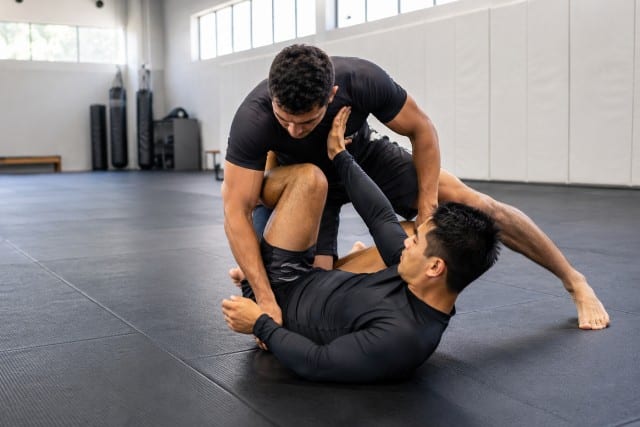
Headquarters is one of the best positions for learning camping passing because it teaches you to control one leg while keeping multiple passing options available.
From headquarters, you can knee cut, backstep, smash pass, leg drag, force half guard, or switch to outside passing. The position gives you time to read the bottom player’s frames and hip movement.
The main goal is to avoid being too loose. If your hips are high, your hands are extended, and the bottom player can freely pummel their legs back inside, you are not camping. You are just standing in front of the guard.
Body Lock Passing
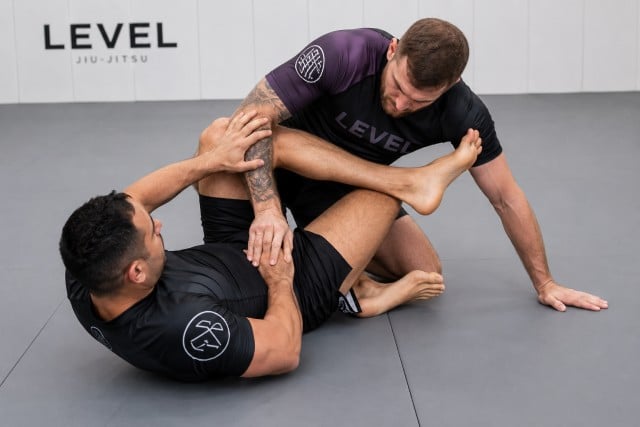
Body lock passing is one of the clearest forms of no-gi camping. You attach to the hips, lock your hands, control distance, and slowly work past the legs.
The strength of the body lock is that it removes space. The weakness is that if your head position, shoulder position, or leg positioning is poor, you can get elevated, framed, or caught in leg entanglements.
To improve your body lock camping, focus less on squeezing and more on alignment. Your head should help block movement. Your shoulder should pin the hips. Your legs should stay active so you can tripod, sprawl, windshield-wiper, and clear hooks.
Chest-to-Chest Half Guard
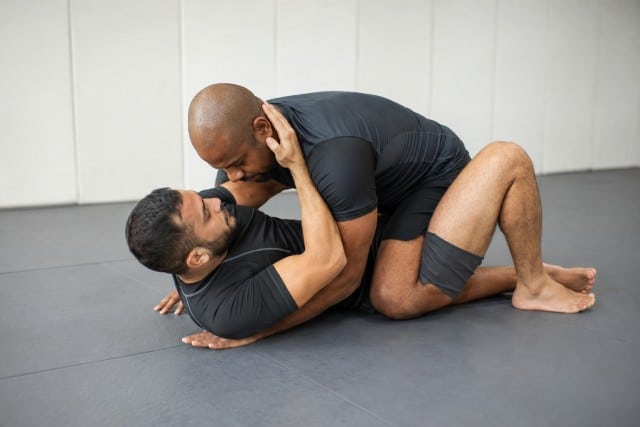
Many camping passes end in chest-to-chest half guard. This is where patient passers can wear people down, but it is also where lazy passers get stuck.
Your priorities are underhook control, crossface pressure, hip control, and freeing your trapped leg without giving the bottom player an underhook or knee shield. Gordon’s broader top game connects well with this kind of half guard passing, and the Gordon Ryan half guard instructional review is a useful related read.
Knee Cut Control
The knee cut can be a fast pass, but it can also be a camping position. Once your knee is across the thigh line and you have shoulder or underhook control, you can pause, settle, and work through the bottom player’s frames.
The mistake is sliding your knee across without controlling the upper body or far hip. That often gives the bottom player space to underhook, turn onto their side, or recover guard.
How to Improve Your Own Camping Passing
Start With One Entry
Do not try to copy every Gordon Ryan passing sequence at once. Pick one entry into a camping position. For most people, headquarters or body lock passing is the best place to start.
Your first goal is not to finish every pass. Your first goal is to reliably arrive in the camping position without getting swept, entangled, or immediately pushed away.
Measure Control Before Completion
If you only judge success by whether you passed, you may miss the skill that actually matters. In the beginning, measure whether you can hold the camping position for three to five seconds against real resistance.
Ask these questions:
- Can I stop the bottom player from bringing both knees inside?
- Can I keep my hands safe from easy attacks?
- Can I stop them from sitting up into me?
- Can I keep my weight connected without getting loaded onto their legs?
- Can I force them to turn in a predictable direction?
Use Pressure Without Becoming Static
The danger of camping passing is that it can become lazy. You settle into a position, feel heavy, and stop improving. Against good guard players, that gives them time to rebuild frames and recover.
Camping should always include micro-adjustments. Move your knee a little deeper. Improve your head position. Replace a hand post with shoulder pressure. Walk your hips lower. Clear the bottom hook. Change the angle when the frame becomes strong.
Connect Camping to Existing Passing Styles
You do not need to become a Gordon Ryan clone to benefit from this system. Add camping principles to the passes you already use.
If you like knee cuts, learn to pause in knee cut control before forcing the finish. If you like torreando passing, use movement to force the guard player flat, then settle into headquarters instead of circling forever. If you like half guard passing, improve how you arrive chest-to-chest before freeing the trapped leg.
For a broader comparison of passing styles, read best BJJ passing instructionals: pressure vs mobility passing.
The Best Drills for Camping Passing
Drill 1: Headquarters Hold and Recover
Start in headquarters. The top player’s goal is to hold the position and prevent the bottom player from recovering both knees inside. The bottom player’s goal is not to sweep at first. Their only goal is guard recovery.
Run rounds of 30 to 60 seconds. If the bottom player recovers guard, reset. If the top player stabilizes, they can begin adding a knee cut, backstep, or smash pass finish.
This drill teaches the difference between standing near the guard and actually controlling the guard.
Drill 2: Body Lock Camping Rounds
Start with the top player already attached in a body lock. The bottom player has frames and active legs. The top player must keep the lock, avoid being elevated, and gradually clear the legs.
At first, the top player only needs to hold and improve position. Later, add the pass finish. Finally, let the bottom player attack leg entries, underhooks, or technical stand-ups.
Drill 3: Three-Second Pass Completion
Many students pass the legs but lose the position immediately. This drill fixes that.
The top player must pass and hold side control, mount, or a dominant pin for three seconds. If the bottom player turns in, turtles, recovers guard, or creates a scramble before the count, the pass does not count.
This teaches the final layer of camping passing: consolidation.
Drill 4: Bottom Player Has One Escape Goal
Give the bottom player a single goal, such as recovering knee shield, sitting up, inverting, or entering legs. The top player’s job is to camp and shut down that one response.
This helps you build specific answers instead of trying to solve every guard retention problem at once.
Drill 5: Constraint-Led Passing Games
Constraint-led games are especially useful for camping passing because they force both partners to solve live problems without turning every rep into full sparring.
For example, start in headquarters. The top player can only pass by knee cut or backstep. The bottom player can only recover guard or wrestle up. This creates realistic reactions while keeping the problem small enough to study.
For more examples, use constraint-led games that build better guard passing.
How to Add Camping Passing to Your Game
Week 1: Choose Your Camping Position
Pick one position: headquarters, body lock, or chest-to-chest half guard. Do not split your attention yet.
Watch or study only the sections that explain entry, control, and the first layer of defense. Ignore advanced follow-ups until you can arrive in the position during live rounds.
Week 2: Add Positional Sparring
Start every positional round from your camping position. Your goal is to hold, improve, and pass. Your partner’s goal is to recover guard, wrestle up, or create distance.
Keep the rounds short. One-minute rounds are enough. You want frequent resets and clear feedback.
Week 3: Add One Pass Finish
Once you can hold the position, add one finish. If you are in headquarters, choose knee cut or backstep. If you are body locking, choose one leg-clearing method. If you are chest-to-chest half guard, choose one method for freeing your knee line.
Do not add five finishes. One reliable finish is better than a menu of half-trained options.
Week 4: Add One Reaction Counter
Now study what people are doing to stop you. Are they framing your shoulder? Recovering knee shield? Sitting up? Inverting? Turning away?
Add one answer to the most common reaction. This is where your camping passing starts becoming a system instead of a single position.
Common Mistakes to Avoid
Mistake 1: Confusing Camping With Resting
If you are not improving position, you are probably just resting. Camping should create pressure, fatigue, and predictable reactions. It should not give the bottom player unlimited time to rebuild guard.
Mistake 2: Leaning Too Far Forward
Many passers try to create pressure by leaning their chest forward. That often makes them easier to elevate, frame, or enter into leg attacks. Good pressure comes from connected weight and alignment, not falling onto the opponent.
Mistake 3: Ignoring the Bottom Player’s Knees
The knees are often the guard player’s best defensive tools. If both knees come back inside, your pass usually resets. Camping passing should constantly deny knee recovery.
Mistake 4: Passing Without Pinning
Clearing the legs is not enough. The pass only matters if you settle into control. Train the pin after the pass as seriously as the pass itself.
Mistake 5: Studying Too Much at Once
Gordon Ryan’s instructionals can be detailed. That is useful, but it can also overwhelm you. Study one chapter, one position, and one reaction at a time. Then test it in training before moving on.
If you need a broader structure for using online courses without getting lost, read how to build a complete BJJ game using online instructionals.
Who Should Study Gordon Ryan’s Camping Passing?
This style is best for intermediate and advanced no-gi students, but beginners can still benefit if they focus on the principles rather than trying to copy every detail.
You should study camping passing if:
- You keep rushing passes and getting recovered on.
- You struggle to hold people down after clearing the legs.
- You want a slower, more systematic no-gi passing game.
- You like body locks, headquarters, half guard passing, and pressure passing.
- You want to understand why elite passers look patient without becoming passive.
You may want a simpler passing instructional first if you are still learning basic posture, closed guard opening, or how to avoid common sweeps.
Final Thoughts
Gordon Ryan’s camping passing system works because it turns guard passing into a controlled sequence of problems. You win inside space, control the hips, make the bottom player carry your weight, force predictable reactions, and pass only when the defensive structure is already weakened.
To add it to your game, start small. Pick one camping position, drill it with resistance, measure control before completion, and add one finish at a time. The goal is not to move slowly for its own sake. The goal is to make your opponent’s guard retention harder with every second you spend on top.
When done well, camping passing feels patient, heavy, and inevitable. That is the real lesson to take from Gordon Ryan’s approach: do not chase the pass. Build the position until the pass becomes the obvious next step.