Best BJJ Passing Instructionals: Pressure Passing vs Mobility Passing
Guard passing is one of the hardest skills to build in Brazilian Jiu-Jitsu because the bottom player is not just lying there waiting to be passed. They are framing, recovering, off-balancing, inverting, wrestling up, and constantly changing the problem in front of you.
That is why the best BJJ passing instructional is not always the one with the most techniques. The best choice is the one that matches your body type, rule set, current problems, and preferred passing style. Some grapplers need pressure passing. Others need mobility passing. Many need a simple bridge between the two.
This guide breaks down how to choose a passing instructional, when to prioritize pressure vs mobility, which passing styles make sense for beginners and blue belts, and how to actually study the material so it shows up in live rolling.
Quick Answer: What Is the Best BJJ Passing Instructional?
The best BJJ passing instructional for most beginners and early intermediates is one that teaches a complete passing system instead of isolated moves. You want a course that explains distance management, inside position, hip control, leg pummeling, and how to settle after the pass.
If you are still building your overall learning strategy, start with a broader resource like the YourBJJGuide BJJ instructionals guide so you can see where guard passing fits into your larger game.
For most students, the best passing instructional will fall into one of these categories:
- Best for beginners: a fundamentals-based passing course that covers posture, grips, knee cuts, toreando-style movement, and basic pressure.
- Best for pressure passers: a body lock, over-under, half guard passing, or chest-to-chest passing system.
- Best for mobility passers: a course built around torreando, leg drags, outside passing, angle changes, and re-directions.
- Best for no-gi: a system that emphasizes inside position, headquarters, body locks, knee wedges, and pinning without relying on gi grips.
- Best for competitors: a system that connects entries, counters, pass completion, and pinning under resistance.
Pressure Passing vs Mobility Passing: The Main Difference
Before buying or studying any passing instructional, decide whether you are trying to pass through the guard or around it.
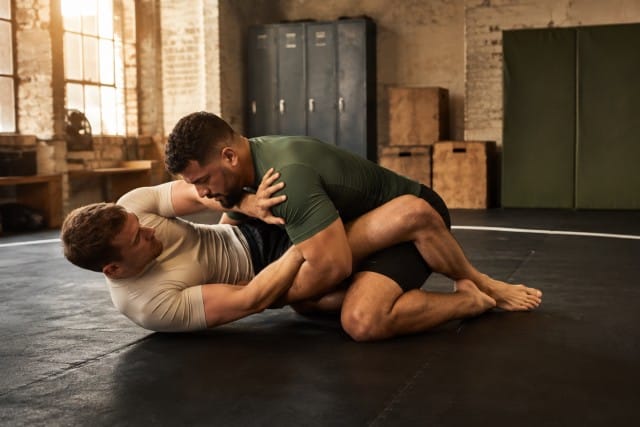
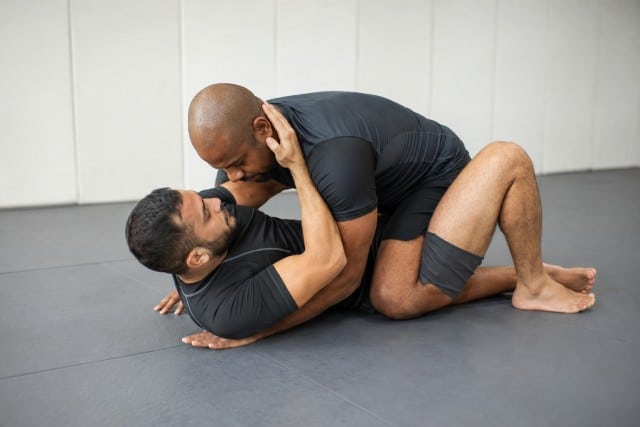
Pressure passing means you use weight, connection, wedges, head position, underhooks, body locks, and hip control to slowly remove the guard player’s ability to move. You are not trying to sprint around the legs. You are trying to make the bottom player carry your weight while you climb into better positions.
Mobility passing means you use speed, angles, grips, footwork, re-directions, and timing to beat the guard player’s frames before they can build strong connections. You are not trying to crush through every layer. You are trying to force reactions and pass during transitions.
Neither style is automatically better. The best passers usually blend both. They threaten movement to make the guard player react, then use pressure when the reaction creates a good connection. Or they start with pressure, force the guard player to extend, then switch to a mobility pass.
When Pressure Passing Is the Better Choice
Pressure passing is often the better study focus if you keep getting tangled in guards, lose balance when you move fast, or struggle to hold the position after you pass. It gives you a slower, more stable way to advance.
Pressure passing works especially well if:
- You prefer top control over speed scrambles.
- You are bigger, older, less explosive, or more patient.
- You train mostly no-gi and need passing options without sleeve and collar grips.
- You get stuck in half guard, knee shield, butterfly half, or seated guard.
- You pass sometimes but cannot stabilize side control or mount afterward.
Good pressure passing instructionals should teach more than “put your weight on them.” Look for details on head position, shoulder pressure, hip height, knee wedges, underhooks, crossfaces, and how to stop the guard player from turning onto their side.
Pressure Passing Styles Worth Studying
Body lock passing: This is one of the most important no-gi passing styles because it limits hip movement and reduces the guard player’s ability to create distance. A good body lock instructional should cover hand position, head placement, leg splitting, tripod pressure, and how to avoid getting elevated.
Over-under passing: This is a classic pressure style that works well in gi and no-gi. It can be excellent for slower, methodical grapplers, but it requires careful head positioning and awareness of triangles, kimuras, and back exposure.
Half guard passing: Many pressure passers build their entire top game around forcing half guard, winning upper-body control, and passing from there. If you already like chest-to-chest pressure, half guard passing instructionals can be a strong investment.
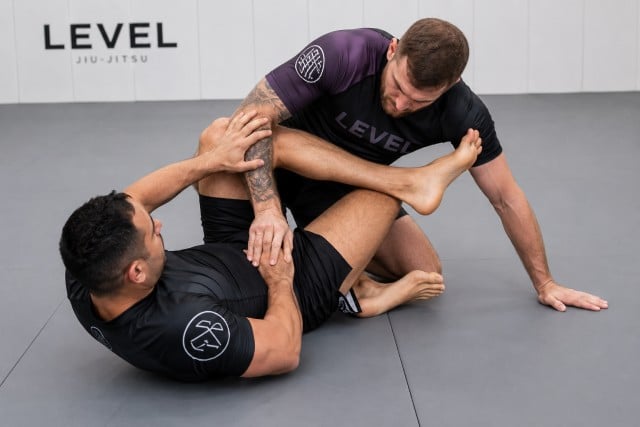
Headquarters passing: Headquarters is a bridge between pressure and mobility. You pin one leg, manage distance, and choose between knee cuts, leg drags, smash passes, or backsteps depending on the bottom player’s reactions.
When Mobility Passing Is the Better Choice
Mobility passing is often the better study focus if you feel too slow, too predictable, or too easy to frame. It teaches you to change angles before the guard player builds strong connections.
Mobility passing works especially well if:
- You are lighter, faster, or comfortable moving on your feet.
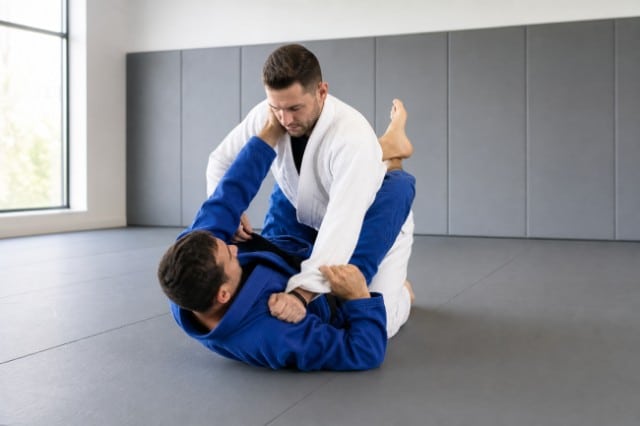
- You train in the gi and can use pant, sleeve, or collar grips to steer the legs.
- You keep getting stuck chest-to-chest without actually clearing the guard.
- You want to pass open guard before it becomes half guard.
- You compete under rules where advantage, pace, and initiative matter.
Good mobility passing instructionals should not just show highlight-reel movement. They should explain distance, stance, grip fighting, direction changes, when to disengage, and when to switch from fast passing into heavy control.
Mobility Passing Styles Worth Studying
Torreando passing: The torreando is one of the clearest examples of outside passing. You control the legs, move around the guard, and force the bottom player to turn and recover. It is especially useful in the gi, but the footwork concepts carry into no-gi.
Leg drag passing: Leg drags combine mobility with control. You redirect the hips, pin the legs across the centerline, and move toward the back or side control. A good leg drag course should explain both the entry and the stabilization phase.
Knee cut passing: The knee cut sits between pressure and mobility. You need angle, timing, and knee position, but you also need shoulder pressure and underhook control to finish. This is one of the best passing systems for beginners to study because it teaches so many universal passing ideas.
Outside passing chains: Some instructionals focus on linking torreando, leg drag, knee cut, and backstep options together. These are useful once you understand the individual passes but need better transitions.
Best Passing Instructional Type by Belt Level
The best instructional for you depends heavily on where you are in your development. A white belt and a purple belt may both need “guard passing,” but they do not need the same information.
White Belts: Start With Posture, Distance, and Simple Pins
White belts should not start with a highly specialized passing system that assumes strong base, grip fighting, and positional awareness. Start with fundamentals: posture in closed guard, standing safely, opening the guard, knee cut basics, torreando basics, and how to settle into side control.
If you are still learning how online courses fit with normal academy training, read how to choose the right BJJ instructional for your game before buying another long course.
Blue Belts: Build a Primary Passing Lane
Blue belts should choose one main passing lane and study it deeply. That might be knee cut to headquarters, body lock to half guard, torreando to leg drag, or over-under to side control. The goal is not to know every pass. The goal is to have one reliable way to create pressure and force predictable reactions.
This is also where you should start connecting your passing study to live training. For example, if your instructional teaches knee cut entries, spend several weeks starting rounds from headquarters or open guard rather than waiting for random chances during full rolling.
Purple Belts and Above: Study Counters and Transitions
More advanced grapplers usually do not need another isolated pass. They need better answers to resistance. Study how strong guard players counter your passing style, then learn how to chain into second and third options.
If your body lock gets framed, where do you go? If your knee cut is blocked, do you backstep, switch sides, or move to leg drag? If your torreando fails, can you force headquarters instead of restarting completely?
How to Choose the Right Passing Instructional
Use this simple decision tree before buying or committing to a passing course.
1. Identify the Guard You Lose To Most
Do you struggle with closed guard, knee shield, seated guard, butterfly guard, lasso, De La Riva, reverse De La Riva, or flexible open guard players? Choose a passing instructional that solves your most common problem first.
A body lock passing course may be excellent, but it will not help much if your main issue is standing up safely in closed guard. A torreando course may be great, but it will not solve your half guard passing problems if you keep getting trapped chest-to-chest without an underhook.
2. Match the Course to Your Training Rules
Gi and no-gi passing overlap, but the gripping environment changes everything. Gi players can rely more on pants, collars, sleeves, lapels, and grip breaks. No-gi players need more emphasis on head position, wrist control, underhooks, body locks, and leg pummeling.
If you train mostly no-gi, be careful with instructionals that depend heavily on sleeve and pant grips. If you train mostly gi, do not ignore no-gi passing concepts, but make sure the course shows how to use gi grips responsibly.
3. Look for Systems, Not Technique Collections
A strong passing instructional should answer the “what next?” question. What do you do when the guard player frames? What if they invert? What if they sit up? What if they underhook your leg? What if they recover half guard?
That is the difference between a technique list and a system. For a deeper breakdown of this learning difference, see concept vs system-based BJJ instructionals.
4. Choose a Course You Can Actually Train
The best instructional is not useful if it requires training partners, mat time, or physical attributes you do not have. If you train twice per week, choose a narrow passing system you can test repeatedly. If you are recovering from injury or training for longevity, choose passing styles that prioritize control and efficiency over explosive movement.
Recommended Study Path for Passing
If you are not sure where to start, use this progression:
- Closed guard opening: learn how to posture, stand, and open safely.
- Knee cut basics: learn inside position, underhooks, and angle changes.
- Headquarters passing: learn to pin one leg and force predictable reactions.
- Body lock or over-under passing: add a pressure system for no-gi and half guard situations.
- Torreando and leg drag chains: add movement-based passing once your base is stable.
- Pass completion: study how to settle into side control, mount, or back exposure after clearing the legs.
This path works because it gives you both stability and movement. You learn how to avoid getting swept, then how to force reactions, then how to connect your passes into a reliable top game.
How to Train a Passing Instructional So It Works in Rolling
Watching a passing instructional is easy. Turning it into a skill is the hard part.
Start with one chapter or one passing problem. Do not try to watch six hours and “add it to your game.” Pick one entry, one control point, and one finish. Then bring that exact situation into drilling, positional sparring, and live rounds.
A simple weekly plan might look like this:
- Day 1: watch one short section and write down the main control points.
- Day 2: drill the entry with light resistance.
- Day 3: start positional rounds from that passing position.
- Day 4: review what failed and rewatch only the relevant section.
- Next week: add one counter or follow-up.
If you want a broader framework for organizing online study, use this guide to building a complete BJJ game with online instructionals.
Use Constraint-Led Games to Make Passing Stick
One of the best ways to test a passing instructional is to turn the material into small games. Instead of drilling a pass with no resistance, create a narrow problem where both partners have realistic goals.
For example:
- Headquarters game: top player starts in headquarters and must pass; bottom player must recover guard or off-balance.
- Body lock game: top player starts with a body lock; bottom player tries to frame, pummel, or recover knee shield.
- Torreando game: top player can only pass outside; bottom player tries to retain guard without standing up.
- Pass-and-hold game: top player must pass and hold side control for three seconds before the round ends.
This approach helps you learn the actual decision-making behind the instructional. For more ideas, read constraint-led games that build better guard passing.
Common Mistakes When Studying Passing Instructionals
Trying to Learn Too Many Passes at Once
Guard passing improves faster when you build a small family of connected options. A knee cut, backstep, leg drag, and body lock connection is more useful than ten unrelated passes you barely understand.
Ignoring the Guard Player’s Reactions
Passing is not a solo movement. The bottom player’s frames, hips, grips, and knees determine what is available. Good instructionals teach reactions. Pay attention to those details, not just the first move.
Passing Without Stabilizing
Clearing the legs is not the same as completing the pass. If the bottom player immediately turns in, turtles, wrestles up, or recovers guard, your pass is not finished. Study the pin after the pass.
Choosing a Style That Does Not Fit Your Training
If you are a slower pressure passer, do not build your whole game around speed-based outside passing without also learning control. If you are light and mobile, do not force a slow smash passing style without learning how to create angles first.
Final Recommendation
The best BJJ passing instructional is the one that helps you solve your most common passing problem in live training. If you get stuck in half guard and knee shield, choose pressure passing, body locks, headquarters, or half guard passing. If you struggle to get around open guards, choose torreando, leg drag, knee cut, and outside passing systems.
For most beginners and blue belts, the smartest path is to build one pressure lane and one mobility lane. Learn how to force headquarters or half guard, then learn how to move around the legs when the guard player overcommits to framing. That combination gives you a passing game that can adapt instead of relying on one perfect scenario.
Study slowly, test the material in positional rounds, and focus on repeatable control points. A good passing instructional should not just give you more moves. It should help you understand how to stay balanced, create pressure, change angles, clear the legs, and hold the position after the pass.