BJJ Elbow Injuries: Causes, Prevention, and Treatment
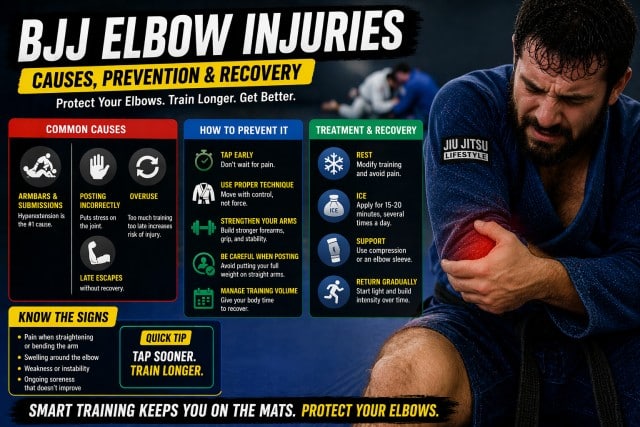
BJJ elbow injuries are most commonly caused by arm locks like armbars, overuse, and posting incorrectly during training. Most injuries can be avoided by tapping early, using proper technique, and managing training intensity.
Elbow injuries are one of the most frequent joint issues in Brazilian Jiu-Jitsu. While they are usually not as severe as knee injuries, they can still keep you off the mats if ignored.
This guide explains why elbow injuries happen in BJJ, how to prevent them, and how to recover properly.
What Causes Elbow Injuries in BJJ?
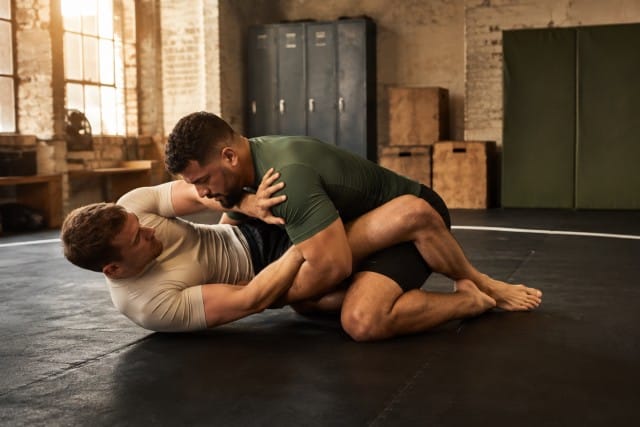
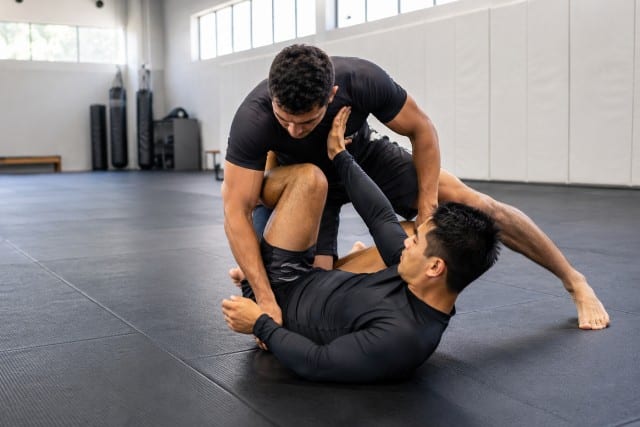
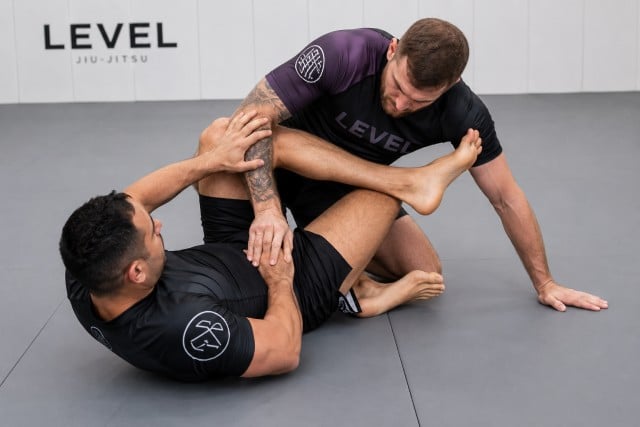
The main cause of elbow injuries in BJJ is hyperextension from submissions, especially armbars.
Other common causes include:
- Trying to escape submissions too late
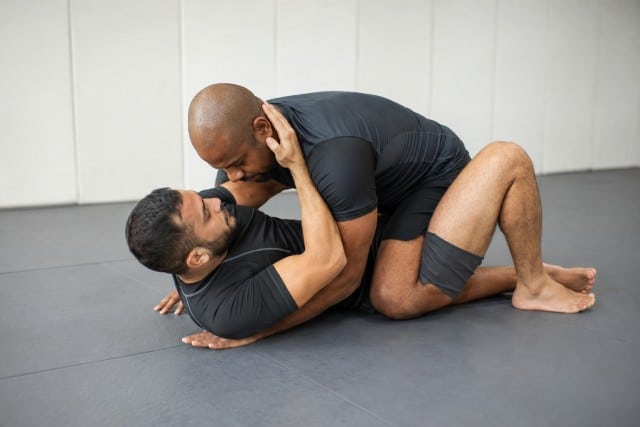
- Posting your arm during scrambles or takedowns
- Overuse from repeated training and drilling
- Poor technique when framing or defending
Most elbow injuries happen gradually or in a split second when a joint is forced past its natural range of motion.
—
Most Common Types of BJJ Elbow Injuries
1. Hyperextension (Armbar Injuries)
This is the most common elbow injury in BJJ.
It happens when the arm is straightened beyond its normal range during an armbar.
Symptoms:
- Pain when straightening the arm
- Swelling around the elbow
- Weakness or instability
2. Tendonitis (Overuse Injury)
Repeated stress from gripping, pulling, and training volume can lead to elbow tendonitis.
Symptoms:
- Dull, ongoing pain
- Stiffness in the joint
- Pain during gripping or pulling
—
3. Sprains and Strains
These occur when ligaments or surrounding muscles are overstretched.
They are often caused by sudden movements or poor positioning during scrambles.
How to Avoid Elbow Injuries in BJJ
Most elbow injuries in BJJ are preventable with proper habits.
1. Tap Early
This is the most important rule.
Do not wait until pain. If your arm is fully extended and controlled, tap immediately. Trying to escape late is the most common cause of injury.
2. Avoid Explosive Escapes
Exploding out of armbars or submission attempts can put your elbow at risk.
Use controlled, technical escapes instead of sudden force.
3. Be Careful When Posting
Posting your arm during scrambles or takedowns can put stress on the elbow.
Try to avoid posting your arm in awkward angles or under heavy pressure.
4. Strengthen Supporting Muscles
Stronger muscles around the joint help protect the elbow.
- Forearm strength
- Grip endurance
- Upper arm stability
5. Manage Training Volume
Too much training without recovery increases injury risk.
If your elbows feel sore, reduce intensity or take a lighter training day.
How to Treat BJJ Elbow Injuries
Most mild elbow injuries can be treated with rest, ice, and gradual return to training.
1. Rest and Modify Training
Avoid movements that cause pain. You may still train, but adjust your intensity and avoid stressful positions.
2. Ice the Area
Use ice during the first 24–48 hours to reduce swelling and inflammation.
3. Compression and Support
Elbow sleeves or light compression can help with stability and comfort during recovery.
4. Gradual Return
Do not rush back into full intensity. Start with light drilling and controlled rolling.
How Long Do Elbow Injuries Take to Heal?
Recovery time depends on the severity of the injury.
- Mild strain: a few days to 1–2 weeks
- Moderate injury: several weeks
- Severe injury: months (or longer)
Ignoring elbow pain often leads to longer recovery times.
When Should You Stop Training?
Stop or modify training if you experience:
- Sharp pain in the elbow
- Swelling or instability
- Limited range of motion
If pain persists, it is better to rest early than deal with a long-term injury.
How Elbow Injuries Compare to Other BJJ Injuries
Elbow injuries are common but usually less severe than knee injuries. However, they can still affect your ability to train consistently.
If you want a broader overview, read our guide on the most common BJJ injuries.
For minor issues like impact damage, also see our BJJ bruises guide.
—
Frequently Asked Questions
What is the most common elbow injury in BJJ?
Hyperextension from armbars is the most common elbow injury in Brazilian Jiu-Jitsu.
Should I tap early to armbars?
Yes. Tapping early is the best way to avoid elbow injuries. Waiting too long increases the risk of damage.
Can you train with an elbow injury?
You can train lightly depending on the severity, but you should avoid positions that stress the elbow.
How do I strengthen my elbows for BJJ?
Focus on forearm strength, grip training, and controlled resistance exercises to support the joint.
How long does elbow pain last after BJJ?
Mild pain can last a few days, while more serious injuries may take weeks or longer to heal.
Final Thoughts
Just as bruises in BJJ are common, elbow injuries in BJJ are also common but often preventable. The key is to train with control, respect submissions, and listen to your body.
If you focus on technique and smart training habits, you can reduce your risk and stay consistent on the mats.